Not All Change Is a Breaking Point
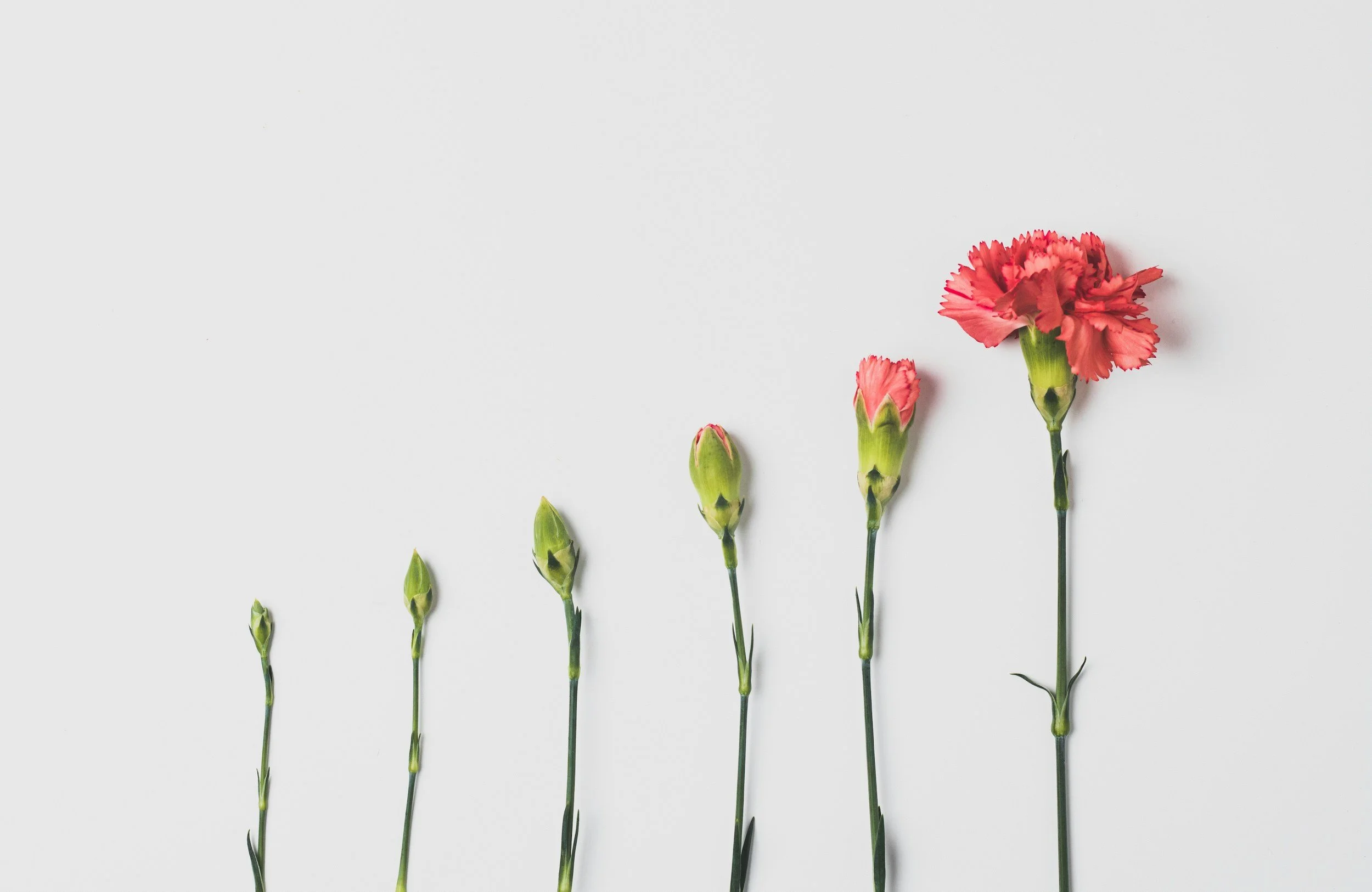
Change is inevitable.
Whether we welcome it or resist it, plan for it or never see it coming, it's one of the few guarantees of being human.
Relationships evolve. Careers shift. Children grow. Priorities change. No matter how carefully we plan, life continues to move.
When something changes, whether by choice or circumstance, we're faced with decisions. Some are immediate and others reveal themselves over time. We get to decide what the experience means. We get to choose what to carry forward and what we're ready to leave behind. We get to determine whether we'll remain attached to an old version of ourselves or create space for something new to emerge.
Those decisions shape our lives far more than the event itself.
For much of my life, I viewed change as something that happened to me. If circumstances improved, life felt easier. If they became difficult, life felt harder. My attention stayed fixed on what was happening around me. Over time, I've started to see something different.
The event is not where our power lives. Our power lives in our response.
It lives in the stories we tell ourselves about what's happening. It lives in our willingness to stay curious when answers aren't clear. It lives in our ability to take a next step, even when we can't see the entire path ahead.
While change is inevitable, it's also important to acknowledge that not every transition arrives as an opportunity we're excited to embrace.
Some bring loss. The loss of someone we love. A serious illness. The end of a relationship we believed would last forever. A future we had imagined that suddenly becomes impossible. These experiences don't require us to immediately search for lessons or silver linings. They require us to feel what is true. There is power in that, too.
When we experience grief, our job is not to skip over it or rush through it. Our job is to move through it honestly. To acknowledge what hurts. To make space for sadness, anger, confusion, disappointment, and uncertainty. Even here, we have choices. We can resist what we feel, judge ourselves for feeling it, or convince ourselves we should be further along than we are.
Or we can give ourselves permission to experience the reality of what has changed and trust that healing has its own timeline.
Because whether we're facing an exciting possibility or a heartbreaking loss, the question eventually becomes the same: How will I meet this moment? What is within my control now?
Every transition, whether chosen or unchosen, offers an invitation to reevaluate, realign, and ask whether the life we're living still reflects the person we're becoming.
I believe we learn by engaging with life. We learn by paying attention. We learn by taking steps, adjusting, and recalibrating along the way.
Certainty will always be tempting because it reduces immediate discomfort. However, alignment rarely begins there. It begins when we recognize that while we can't always choose what happens, we get to choose how we respond.
And that realization has the power to change everything.